

8 Harmful Offseason Mistakes Cyclists Make
Updated On
November 3, 2026
CHOOSE YOUR FORMAT
►WATCH THE VIDEO
►LISTEN TO THE PODCAST
►READ THE ARTICLE
8 Harmful Offseason Mistakes Cyclists Make
The time after a focused cycling season can be the most troublesome part of the year for athletes. Some turn a break into a different kind of training block. They head straight to the gym, start running, or fill their time with new activities. On the one hand, staying active and shifting attention away from Zone 2 rides and interval workouts is good. On the other hand, the goal of a Transition Period or “offseason” is to deload and recover from the cumulative stress from a long, focused season of training.
Doing too much is only one way the offseason goes sideways. Some athletes never take a meaningful break at all. Others take a short break that drifts into months with no plan to come back. Below are the eight most common offseason mistakes cyclists make, and how to avoid each one so you start next season fresher, healthier, and ready to build.
Mistake 1: Running too hard, too soon
Here’s the classic scenario. A super-fit rider’s coach suggests taking a break from the bike and doing some short runs or hikes to change things up. Armed with a big aerobic engine and a perception that 60 minutes is a “short workout”, the cyclist heads out for a 30- to 40-minute run. Initially, it feels great. The next day, they can barely walk. Persisting through the soreness frequently leads to leg or foot injuries.
There’s a term for this, from Chris Carmichael’s books on cycling training, called “The Cyclist’s Paradox”. Trained cyclists have well developed aerobic engines, but our muscles, tendons, and bones are not adapted to the impact and mechanical strain of running (or many other forms of exercise). Your heart and lungs will happily write checks your legs can’t cash.
What to do instead: Start low and progress slowly. Run-walk intervals and hiking are completely appropriate starting points. Let your body adapt to the impact before you add duration or pace.
Mistake 2: Lifting too heavy, too soon
Many athletes who don’t lift year-round walk back into the gym in the fall expecting to pick up where they left off the season before, with the same heavy squats, deadlifts, and bench numbers they were previously capable of. The reality is that strength usually detrains over the summer. As you approach peak training and race season, you trade gym time for more time on the bike and more rest.
What to do instead: Take a few weeks away from most structured cycling training first. This is the deload phase from total training stress. Then return to the gym with activation work and light weights for a few weeks. Gradually add load over the next two to four weeks before you go deep or do any max-effort work.
Mistake 3: Taking only a week off and calling it good
Acute training load (ATL) is a short-term metric that uses a 7-day weighted average to estimate short-term fatigue. Because of the weighted average, its actual window provides insights on roughly two weeks of training. This means the training you did two weeks ago can still be taking up space in your fatigue tank today.
After a big season of long training hours, racing, travel, and a growing pile of postponed home projects and honey-do items, you’ve accumulated more stress than you realize. One week off doesn’t clear it. A true offseason needs more than that.
What to do instead: Use at least two weeks of either nothing at all or light, fun activity as your starting point. Then resume a normal frequency of riding or cross-training. That approach clears both the physical and the mental stress you’ve accumulated.
What about Time-Crunched Cyclists?
If you ride three or four times a week for 60 to 90 minutes, you may wonder whether you need an offseason at all. I think you do, though it will look a little different from what a high-volume rider needs.
Time-Crunched Cyclists generally face less risk of overuse injuries and overtraining because their hours are lower. Burnout is still real, though. When your volume is low, you feel pressure to make every workout count and max out every minute. I applaud that commitment, but you need a break too.
Your offseason doesn’t have to mean stopping riding entirely; reducing intensity works. Take a week where you don’t ride. Then come back and make all your rides Zone 2 endurance for two to four weeks before reintroducing high intensity. That’s enough to mentally step away from intervals and from the feeling that you always have to be “on.”
Mistake 4: Taking no time off at all
Some athletes tell me, “I feel good, I’m not burned out.” I still advocate for some time away from your normal routine. A break helps prevent injury, staleness, and burnout, and it can reveal fatigue you didn’t know you had.
► Free Cycling Training Assessment Quiz
Take our free 2-minute quiz to discover how effective your training is and get recommendations for how you can improve.
When a feeling is with us all the time, we get used to it. That comfortable cloak of fatigue tends to go unnoticed until you actually stop training for a few weeks and realize how much better you feel.
Mistake 5: Trying to lose weight in the offseason
If weight loss is one of your goals, my best advice is to wait until your Base phase to start a weight-loss plan. Weight loss is most effective when you create a calorie deficit through both exercise and dietary restriction. Cutting calories during the Transition Period or offseason can hinder your recovery and add mental stress during the period of the year when you want less of both. It sets you up to be less successful than you would be at a better time.
What to do instead: Take a few weeks to fully restore. Resume a normal training frequency. Then ease into a weight-loss plan.
Mistake 6: Letting a short offseason turn into a long one
People who love training and riding rarely plan to take three or four months off. However, I see “all-or-nothing” personalities who seem vulnerable of letting two or three weeks slide into two or three months, because “What’s the point, I’ve already lost fitness. Might as well let it all go.”
That’s negative self-talk creeping in, and it isn’t true. Fitness doesn’t vanish in a few weeks, and the work you did this year still counts.
What to do instead: Have a plan to modestly detrain (mostly to bring Chronic Training Load down), and make sure your plan levels off and “tips the nose of the plane back up” after two to three weeks of little or no training.
Mistake 7: Ignoring the problems that disrupted last season
The offseason is a great time to address the nagging back or knee issue, the shoulder that won’t release, or the side of your foot that flares up when volume gets high. However, a lot of people get to the Base Period in January without ever addressing bike fit, worn bike parts, or nagging injuries.
What to do instead: See a physical therapist or movement specialist for an evaluation. Start working on tight and weak muscles now, so that when Base season arrives you aren’t piling volume on top of shaky ground. If you want to get new gear or your current gear needs attention, do it now. Then visit a professional bike fitter to evaluate and adjust your position. Give yourself some time to ride easy and adapt to position changes before piling on volume in the Base Period.
Mistake 8: Having no plan for the offseason
Many athletes think, “I’ll take two weeks off, then hop on Zwift, jump back into the group rides, and keep everything Zone 2.” Then every ride turns into Tempo (Zone 3) and every climb turns into an FTP test.
Those who fail to plan, plan to fail. Without an offseason plan that leads into your Base Period, you’ll typically go too hard, too soon, too often, and that wipes out any real concept of an Transition Period.
What to do instead: Your plan doesn’t have to be detailed. Even “keep intensity below X for Y weeks” is far better than YOLO-ing it and smashing every ride.
The bottom line
Most offseason mistakes come down to three things: not having a good plan, not sticking to the plan, and doing too much cross-training too soon.
Recovery is the primary goal of your Transition Period of Offseason. After that, it’s a chance to move your body in different ways, so you don’t completely detrain between seasons and you build some variety into your movement patterns. Being great on a bike and nothing else isn’t a recipe for long-term health, including bone density.
If you’re reading this, you’re probably pretty into training, which means you’re exactly the athlete who benefits from a real offseason with some intentional detraining. My advice: embrace it, give it some real time, and enjoy it. You’ll be back in your Base Period and working toward next year’s goals before you know it. Do it right, and you’ll arrive fresher, injury-free, and with the energy to sustain your training for months to come.
Further reading
- 2023 International Olympic Committee (IOC) consensus statement on Relative Energy Deficiency in Sport (REDs)
- Cardiorespiratory and metabolic consequences of detraining in endurance athletes
- Off-Season Training: Why and How You Should Detrain on Purpose (CTS)
- Off-Season Training: Why and How You Should Detrain on Purpose (video)
► FREE Mini-Course: Learn How to Maximize Your Limited Training Time
Learn step-by-step how to overcome limited training time and get faster. Walk away with a personalized plan to increase your performance.
"*" indicates required fields
About the Author
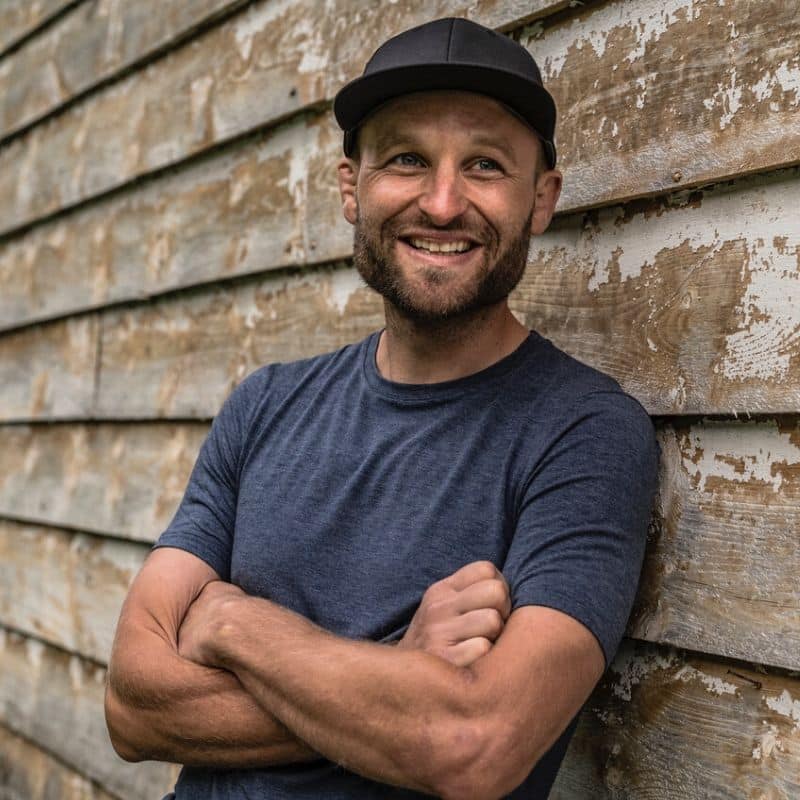
Adam Pulford
CTS Head Cycling Coach
Adam Pulford is a dedicated coach at CTS with a passion for elevating athletic performance through tailored, measurable strategies and a deep understanding of the “why” behind each athlete's goals. With nearly two decades of experience, a degree in Exercise Physiology, and a successful track record managing professional cycling teams, Adam also shares his expertise as the host of the Time-Crunched Cyclist podcast, providing actionable insights for endurance athletes.