
Masters Cycling Training
Train Smarter, Stay Strong, and Keep Improving After 40, 50, and 60
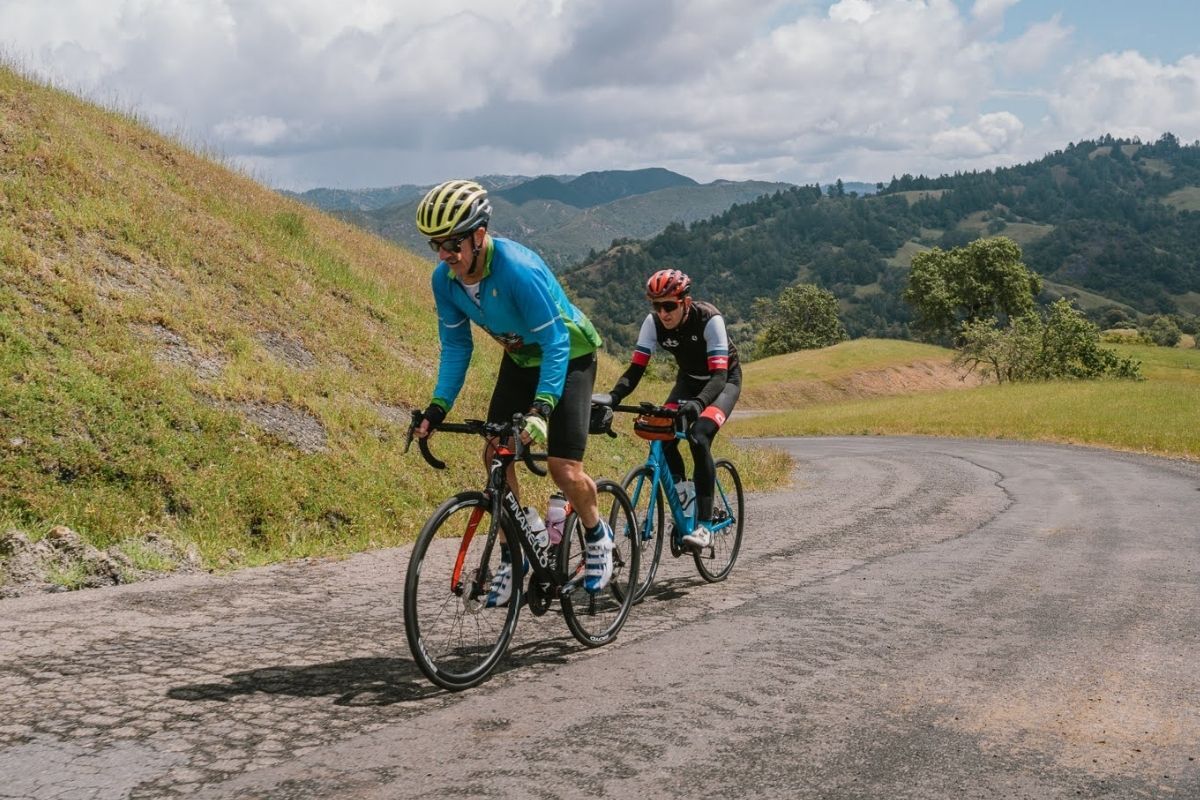
Getting older changes some aspects of training, but masters cyclists can continue building fitness, increasing power, competing, completing challenging events, and setting new goals well into their 50s, 60s, 70s, and beyond.
The key is adapting your training as your physiology, recovery needs, training history, available time, and life outside cycling evolve.
CTS has coached masters cyclists for more than 25 years across road, gravel, mountain bike, track, and endurance events. Use this hub to explore our best guidance for staying fast, fit, strong, and capable for decades to come.
What Should Masters Cyclists Focus On?
The basic principles of endurance training do not disappear as you age. You still need enough training stress to stimulate improvement, enough recovery to adapt, and enough consistency to make those gains accumulate over time.
For masters cyclists, a few areas become increasingly important:
Maintain Intensity
VO2 max naturally tends to decline with age, but reducing or eliminating hard training can accelerate the loss of high-intensity aerobic fitness. Appropriately prescribed intervals remain an important part of training for older cyclists.
Prioritize Recovery
Recovery becomes increasingly individual as training stress combines with work, family, sleep, previous injuries, and other demands. The goal is to recover enough to complete your important workouts at a high quality and maintain consistency over time.
Build and Maintain Strength
Maintaining muscle mass, strength, bone health, and overall function becomes increasingly important with age. For most masters cyclists, strength training should be a regular part of year-round training.
Stay Consistent
Fitness is easier to maintain than rebuild. Consistent training, even when available training time changes, can help preserve aerobic capacity, strength, and performance over the long term.
START HERE
The 40+ Masters Cyclist Training Playbook
What actually needs to change about your training as you get older?
CTS Head Cycling Coach Adam Pulford breaks down recovery, training intensity, strength, consistency, training data, and the practical changes that can help masters cyclists continue performing at a high level.
Train Smarter as You Age
Masters and Grand Masters: Avoid These Cycling Training Mistakes
Some of the biggest mistakes older cyclists make come from backing away from the training stimulus they need. Learn why consistency, intensity, strength, and smart recovery remain important as you age.
Best Advice for Masters Cyclists: 6 CTS Coaches Give Their Tips
Masters athletes bring unique combinations of training history, goals, career demands, family responsibilities, and recovery needs. Six CTS coaches share practical lessons from coaching older cyclists.
4 Training Myths for Cyclists 50 and Older
Assumptions about aging can unnecessarily limit training and performance. Explore four common myths that can hold cyclists over 50 back.
The Best Habits for Athletes Over 40
Long-term performance depends on more than individual workouts. Learn how consistency, stress management, sleep, movement, and sustainable habits support athletic performance as you get older.
Maintain Fitness, Power, and Strength
Why VO2 Max Declines in Older Athletes
Maximum aerobic capacity tends to decline with age, but training can influence the rate and magnitude of that decline. Understand what changes physiologically and how training can help preserve aerobic performance.
Why Cyclists Benefit From Heavy Strength Training
Strength training becomes particularly important for Masters and Grand Masters cyclists who want to preserve muscle, strength, bone health, resilience, and cycling performance.
Cycling Base Training Do’s and Don’ts for Amateur and Masters Cyclists
Traditional high-volume base training is not the only way to develop aerobic fitness. Learn how to build endurance when work, family, and other responsibilities limit the number of hours you can ride.
Learn From Masters Cyclists
Key Traits for Success From Masters and Grand Masters Champions
What do successful cyclists in their 60s, 70s, 80s, and even 90s have in common? Explore the training and lifestyle habits of seven accomplished Masters and Grand Masters athletes.
Fast, Fit, and Winning at 59: Meet Masters Cyclist Dean Pierson
See how Masters racer Dean Pierson balances training, racing, strength work, recovery, and a demanding career while continuing to pursue high-level cycling performance.
There Is No Single Masters Training Formula
Two cyclists who are both 55 can require very different training.
One may have trained consistently for 30 years. Another may have returned to cycling after a decade away. One may have 15 hours a week to ride, while another has six. Their injury histories, sleep, work stress, strengths, weaknesses, and goals may be completely different.
Age should be part of the training equation, but it should not be the entire equation.
The best masters training strategy accounts for the whole athlete and continues evolving as fitness, goals, recovery, and life change.
Want a Masters Cycling Coach Who Understands You?
Your training should reflect more than your age. A CTS Cycling Coach can build and continually adapt your training around your experience, goals, available time, recovery, strengths, weaknesses, and life outside the bike.
CTS Athlete Services can help match you with a coach experienced in working with Masters and Grand Masters cyclists.
Explore Personalized Cycling Coaching